


Why an eSIM Is Your Best Festival Companion
Attending the Bali Spirit Festival is about disconnecting from the everyday hustle and immersing yourself in a world of wellness and creative expression. Yet, in today's interconnected world, a reliable data connection is less a luxury and more an essential tool for navigation, communication, and managing your festival experience. This is precisely where an eSIM truly shines, offering a seamless alternative to the traditional physical SIM card.
Imagine landing at Denpasar's Ngurah Rai International Airport (DPS) and, before even clearing customs, your phone is already connected to a local network. No need to hunt for a SIM card vendor, deal with registration queues, or fumble with tiny plastic cards. An eSIM, or embedded SIM, is a digital SIM profile downloaded directly to your phone. It allows you to switch carriers and plans effortlessly, often with a simple QR code scan or manual input.
For a dynamic event like the Bali Spirit Festival, which spans multiple venues across Ubud, having instant access to data is critical. You'll want to check the updated schedule on the official festival app, coordinate meet-ups with friends via WhatsApp, or perhaps upload a serene yoga photo to Instagram (B3 and B8 are usually good for this upload speed, though B1 and B40 can be faster if available). The convenience of an eSIM means less time worrying about connectivity and more time soaking in the vibrant energy of the festival. It also sidesteps the common predicament of needing local currency for a physical SIM, or navigating a foreign language sales process right after a long flight.
The Advantages Over Traditional SIMs and Roaming
Let's break down why an eSIM is often the superior choice, especially for event-specific travel:
- Instant Activation: Purchase and activate your data plan before you even leave home. Upon arrival, your phone connects to the local network automatically.
- Dual SIM Functionality: Keep your primary physical SIM active for calls and texts from your home number while using the eSIM for data. This is particularly useful for two-factor authentication or urgent calls from family.
- Cost-Effectiveness: Avoid exorbitant international roaming charges from your home carrier. eSIM plans for Indonesia are typically much more competitive, offering various data allowances and validities.
- Environmental Impact: No plastic waste from disposable SIM cards, aligning with the conscious spirit of the Bali Spirit Festival.
- Flexibility: Easily switch between different eSIM profiles if you decide to extend your trip and visit other regions, or if you find a better deal. (Although with a good multi-country plan, you might not need to, as discussed in The Multi-Country eSIM Hack: Save $100+ on Your Euro Trip 2026, which illustrates cross-border benefits.)
Understanding Bali's Mobile Network Landscape
Bali's mobile network infrastructure is surprisingly robust, particularly in tourist-heavy areas like Ubud, Seminyak, and Canggu. The primary carriers are Telkomsel, XL Axiata, and Indosat Ooredoo Hutchison (often referred to as Indosat Ooredoo or IM3). Each has its strengths, and understanding these can inform your eSIM choice.
From an engineering perspective, Bali's networks largely leverage FDD-LTE on bands B1 (2100 MHz), B3 (1800 MHz), B8 (900 MHz), and TDD-LTE on B40 (2300 MHz). For 5G, the initial deployments are non-standalone (NSA) on n3 (1800 MHz) and n40 (2300 MHz), with some newer n78 (3500 MHz) deployments in limited urban areas. While the festival grounds are likely to have enhanced coverage, it's the underlying band availability that dictates your real-world experience.
Telkomsel generally offers the broadest coverage, reaching even more remote parts of the island, though often at a slight premium. XL Axiata and Indosat Ooredoo Hutchison provide strong performance in urban and semi-urban areas, including Ubud. Your device's band compatibility is key here; a phone supporting a wider array of bands, especially B3 and B40, will invariably provide a more consistent connection.
Carrier Performance Overview in Bali (Ubud Area)
| Carrier | Primary 4G Bands | Advertised Download Speed (Ubud) | Advertised Upload Speed (Ubud) | Coverage Footprint (Ubud & Surrounds) |
|---|---|---|---|---|
| Telkomsel | B1, B3, B8, B40 | 30-150 Mbps | 10-40 Mbps | Excellent, widest reach |
| XL Axiata | B1, B3, B8 | 20-100 Mbps | 8-30 Mbps | Very Good, strong in populated areas |
| Indosat Ooredoo Hutchison | B1, B3, B8, B40 | 15-80 Mbps | 5-25 Mbps | Good, improving in rural parts |
These are advertised speeds and real-world performance can vary significantly due to network congestion, especially at a large event like the Bali Spirit Festival. During peak festival hours, with thousands of attendees simultaneously trying to access data, expect speeds to dip. However, even at reduced rates, these carriers typically provide enough bandwidth for messaging, light browsing, and checking festival updates.
One interesting aspect of Indonesian networks is the prevalence of CGNAT (Carrier-Grade NAT) and, increasingly, IPv6-only assignments for mobile clients. This means that direct inbound connections to your phone are generally not possible, which might affect niche use cases like self-hosted VPNs or specific gaming scenarios. For typical festival use, however, this shouldn't pose any issues.
Optimizing Your eSIM for Festival Connectivity
Choosing the right eSIM plan involves more than just looking at the data allowance. For an event like the Bali Spirit Festival, several technical and practical considerations come into play. Your primary goal is consistent, reliable connectivity that allows you to access information and share experiences without interruption.
First, consider the carrier partnerships of your chosen eSIM provider. Many global eSIMs roam on multiple local networks. For Bali, an eSIM that utilizes Telkomsel's infrastructure will generally offer the most comprehensive coverage, even if the primary festival activities are concentrated in Ubud. However, a multi-carrier eSIM can provide redundancy, automatically switching to the strongest signal between, say, XL Axiata and Telkomsel, which is a significant advantage in areas with fluctuating signal strength or during periods of high network load.
Data Needs for the Bali Spirit Festival
Estimate your data consumption carefully. While the festival promotes digital detox, practical needs remain. Here's a rough guide:
- Basic Messaging (WhatsApp, Telegram): ~5-10 MB/hour
- Social Media (Instagram, Facebook, TikTok): ~100-300 MB/hour (especially with video uploads)
- Streaming Music (Spotify, Apple Music): ~50-150 MB/hour
- Light Browsing & Email: ~20-50 MB/hour
- Video Calls (WhatsApp, FaceTime): ~300-500 MB/hour
- GPS Navigation (Google Maps): ~5-15 MB/hour
Given the festival's duration, a 10-20 GB plan for a week-long stay should suffice for most users, assuming moderate social media use and limited video streaming. If you plan to work remotely or upload extensive video content, consider a higher data package or even an unlimited plan, if available.
VoLTE and VoWiFi Considerations
A common gotcha with some international eSIMs is the lack of Voice over LTE (VoLTE) or Voice over WiFi (VoWiFi) support. While primarily a data solution, the ability to make high-quality calls over the cellular data network (VoLTE) or over Wi-Fi (VoWiFi) can be incredibly useful. If your eSIM plan doesn't support VoLTE, traditional voice calls will often fall back to 2G/3G networks, which might be less reliable or unavailable in some areas. This is especially true for older devices or specific Android models where VoLTE provisioning is highly carrier-dependent.
For most festival-goers, this won't be a deal-breaker, as communication primarily happens via data-based apps like WhatsApp, Signal, or Messenger. However, for emergency calls to local numbers, a VoLTE-enabled eSIM or keeping your home SIM active for calls (if roaming is enabled) is a sensible backup. Always check with your eSIM provider about VoLTE/VoWiFi capabilities if voice calls are a priority for you.
"I remember being at a festival once where my data-only eSIM meant I couldn't call a local taxi when my battery died. It taught me the importance of checking VoLTE support, or at least having a backup plan for voice communication."
Real-World Performance: What to Expect in Ubud
Ubud, the cultural heart of Bali and home to the Spirit Festival, generally boasts excellent network coverage. However, the festival grounds themselves, depending on their exact location and layout, can present micro-environments where signal strength may fluctuate. Dense crowds, temporary structures, and the natural topography of the area (Ubud is characterized by its ravines and rice paddies) can all impact signal propagation.
During the day, especially between sessions, you'll likely find speeds sufficient for most tasks. Expect download speeds in the 20-80 Mbps range on 4G (B3, B1) and upload speeds of 5-20 Mbps. This is more than enough for streaming music, checking emails, and posting high-resolution photos. If you're lucky enough to catch a 5G signal (n3 or n40, predominantly), those speeds could jump significantly, potentially reaching 100-300 Mbps download. Keep an eye on your phone's network indicator; you might see a brief connection to 5G, only for it to drop back to 4G as you move through crowds.
Comparing eSIM Options for Bali
When selecting your eSIM, look for providers that explicitly state their local network partners. Some offer direct connections to Telkomsel or XL Axiata, while others might aggregate services. The direct partnerships tend to offer more consistent performance. Also, consider if you'll be traveling beyond Bali, perhaps to explore other parts of Indonesia or Southeast Asia. A regional eSIM plan might offer better value and convenience, as detailed in our guide on South Pacific Cruises: Your eSIM is the Only Thing You Charge in 2026.
| Feature/Provider | Single-Country Bali eSIM | Regional Southeast Asia eSIM | Global Multi-Carrier eSIM |
|---|---|---|---|
| Coverage Scope | Indonesia (primarily Bali) | Indonesia + 5-10 other SEA countries | Indonesia + 100+ countries worldwide |
| Primary Use Case | Dedicated Bali trip | Multi-country SEA tour | Frequent international traveler |
| Typical Data Plans | 5GB, 10GB, 20GB (7-30 days) | 10GB, 30GB, 50GB (15-60 days) | 1GB, 3GB, 5GB (7-30 days), top-ups |
| Cost per GB (approx.) | $1.50 - $2.50 | $2.00 - $3.00 | $3.00 - $5.00 |
| VoLTE/VoWiFi Support | Variable, often available | Less common, check provider | Rare, usually data-only |
| Network Redundancy | Single carrier or limited fallback | Often multiple carriers per country | Extensive multi-carrier roaming |
Dealing with Network Congestion
Festival environments are notorious for network congestion. Even with strong signal bars, throughput (actual data speed) can suffer when thousands of users are on the same cell tower. Here's how to mitigate this:
- Use Wi-Fi when available: Many cafes and accommodations in Ubud offer free Wi-Fi. Offload large downloads or uploads to these networks.
- Adjust streaming quality: If you're trying to stream video or music, lower the quality settings to reduce bandwidth usage.
- Time your uploads: For large social media posts or sharing high-res photos, try doing it during off-peak hours, such as early morning or late at night, when network load is lower.
- Prioritize essential apps: Close background apps that might be consuming data unnecessarily.
eSIM Activation: A Step-by-Step Guide for Bali
The beauty of an eSIM lies in its straightforward activation process. Unlike physical SIMs, there's no need for a SIM ejector tool or fiddling with tiny cards. Most modern smartphones, including iPhones (XR and newer), Google Pixels (3a and newer), and many Samsung Galaxy models (S20 and newer), support eSIM functionality. (For specific device compatibility and potential APN edge cases, especially for older Android flagships like the Galaxy S25, you might find our Galaxy S25 & WestESIM: Your Rio Carnival 2027 Connectivity Blueprint article helpful, as APN settings can sometimes be tricky.)
Here's a general procedure for activating your eSIM:
- Purchase Your eSIM Plan: Visit the Indonesia eSIM page and select a data package that suits your needs for the Bali Spirit Festival. You'll typically receive an email with a QR code or manual installation details.
- Connect to Wi-Fi: Before you start, ensure your device is connected to a stable Wi-Fi network. This is crucial for downloading the eSIM profile.
- Add eSIM Profile:
For iOS (iPhone): Go to Settings > Cellular > Add eSIM. Choose 'Use QR Code' and scan the code provided in your purchase confirmation email. Follow the on-screen prompts. You may need to label your new eSIM (e.g., "Bali Data").
For Android: Go to Settings > Network & Internet > SIMs > Add more. Select 'Download a SIM instead?' or 'Scan QR code.' Scan the QR code and follow the instructions. - Configure Data Roaming: Once the eSIM is installed, ensure that "Data Roaming" is enabled for your new eSIM profile in your phone's cellular settings. This allows it to connect to the local Indonesian networks.
- Set as Primary Data Line: In your phone's cellular settings, set your newly installed eSIM as the primary line for cellular data. Keep your home SIM active for calls/texts if needed, but ensure its data roaming is OFF to prevent unexpected charges.
- Verify Connectivity: Once activated, your phone should display the local carrier's name (e.g., "Telkomsel" or "XL Axiata") next to your signal bars. Test your connection by opening a web browser or a messaging app.
- APN Settings (Rarely Needed, But Good to Know): Most eSIMs auto-configure APN settings. However, if you encounter connectivity issues, you might need to manually input the Access Point Name. Your eSIM provider will supply this if required. For Telkomsel, it's often "internet"; for XL Axiata, it's typically "www.xl.net.id".
Pre-Departure Checklist
To ensure a smooth arrival in Bali, consider these steps:
- Check Device Compatibility: Confirm your phone supports eSIM technology.
- Purchase and Install Early: Buy your eSIM a few days before your trip. You can install it at home and activate it only when you land in Bali.
- Download Essential Apps Offline: Download festival schedules, maps of Ubud, and any travel documents offline. This saves data and acts as a backup.
- Update Software: Ensure your phone's operating system is up to date, as newer versions often improve eSIM management.
Managing Data and Staying Secure at the Festival
Attending a vibrant event like the Bali Spirit Festival means you'll be juggling schedules, connecting with new friends, and capturing memorable moments. Effective data management and digital security are paramount to ensuring your connectivity enhances, rather than detracts from, your experience.
While an eSIM provides a secure data connection, it's still wise to be mindful of your usage. The festival's energy can be captivating, but you don't want to run out of data midway through a crucial yoga workshop or when trying to find your way back to your accommodation in Nyuh Kuning. Use your phone's built-in data usage monitor (Settings > Cellular/Network & Internet) to keep tabs on consumption. This granular control allows you to identify data-hungry apps and adjust their settings.
Practical Tips for Data Conservation
- Disable Auto-Downloads: Turn off automatic media downloads in WhatsApp and other messaging apps.
- Background App Refresh: Limit background app refresh for non-essential applications.
- Low Data Mode: Enable any 'Low Data Mode' or 'Data Saver' features on your phone.
- Offline Maps & Guides: Download maps of Ubud and festival guides for offline access. Google Maps allows you to download entire regions for navigation without data.
- Wi-Fi Offloading: When available, always connect to trusted Wi-Fi networks in your accommodation or cafes. Be cautious with public, unsecured Wi-Fi.
Staying Digitally Secure
Festivals, while joyful, can also be targets for opportunistic cyber threats. Your eSIM provides a private connection, but your online habits still matter.
- Avoid Public Wi-Fi for Sensitive Transactions: Never perform banking or other sensitive transactions over unsecured public Wi-Fi networks. Stick to your eSIM data connection or a trusted personal VPN.
- Use Strong Passwords and 2FA: Ensure all your online accounts, especially social media and email, are protected with strong, unique passwords and two-factor authentication.
- Be Wary of Phishing: Don't click on suspicious links or respond to unsolicited messages, even if they appear to be from festival organizers.
- Keep Your Phone Secure: Enable screen lock with a strong PIN, pattern, or biometrics. In case your phone is lost or stolen, this prevents unauthorized access to your data.
Troubleshooting Common eSIM Issues
While eSIMs are generally reliable, encountering connectivity issues while traveling can be frustrating. Most problems are minor and easily resolved with a few troubleshooting steps. Remember, even experienced network engineers sometimes miss the obvious!
No Service or No Data
This is the most common issue. Here's a systematic approach:
- Check eSIM Activation Status: Go to your phone's cellular settings. Is the eSIM profile listed as active and enabled? Is "Turn On This Line" (iOS) or "Use SIM" (Android) toggled on?
- Verify Data Roaming: Ensure data roaming is enabled for your eSIM profile. This is crucial as you're technically roaming on a partner network in Bali.
- Toggle Airplane Mode: Turn Airplane Mode on for 30 seconds, then turn it off. This often forces your phone to re-scan for available networks.
- Restart Your Device: A simple reboot can resolve many transient network issues.
- Manual Network Selection: If still no luck, try manually selecting a network. In your cellular settings, go to Network Selection (iOS) or Network Operators (Android) and turn off automatic selection. Your phone will scan and display available networks (e.g., Telkomsel, XL Axiata). Try connecting to each one until you find a working connection.
- Check APN Settings: While usually automatic, verify the Access Point Name (APN) settings against what your eSIM provider specifies. Incorrect APN is a classic culprit for data but no connection.
Slow Data Speeds
If you have service but data is sluggish, consider these factors:
- Network Congestion: As mentioned, large crowds at the festival will inevitably slow things down. Try moving to a less dense area if possible.
- Signal Strength: Check your signal bars. One or two bars, even on 4G, will result in slower speeds.
- Data Cap Reached: Have you exceeded your plan's high-speed data allowance? Many plans throttle speeds after a certain limit. Check your eSIM provider's app or website for usage.
- Background Apps: Ensure no apps are silently consuming bandwidth in the background. Close unnecessary applications.
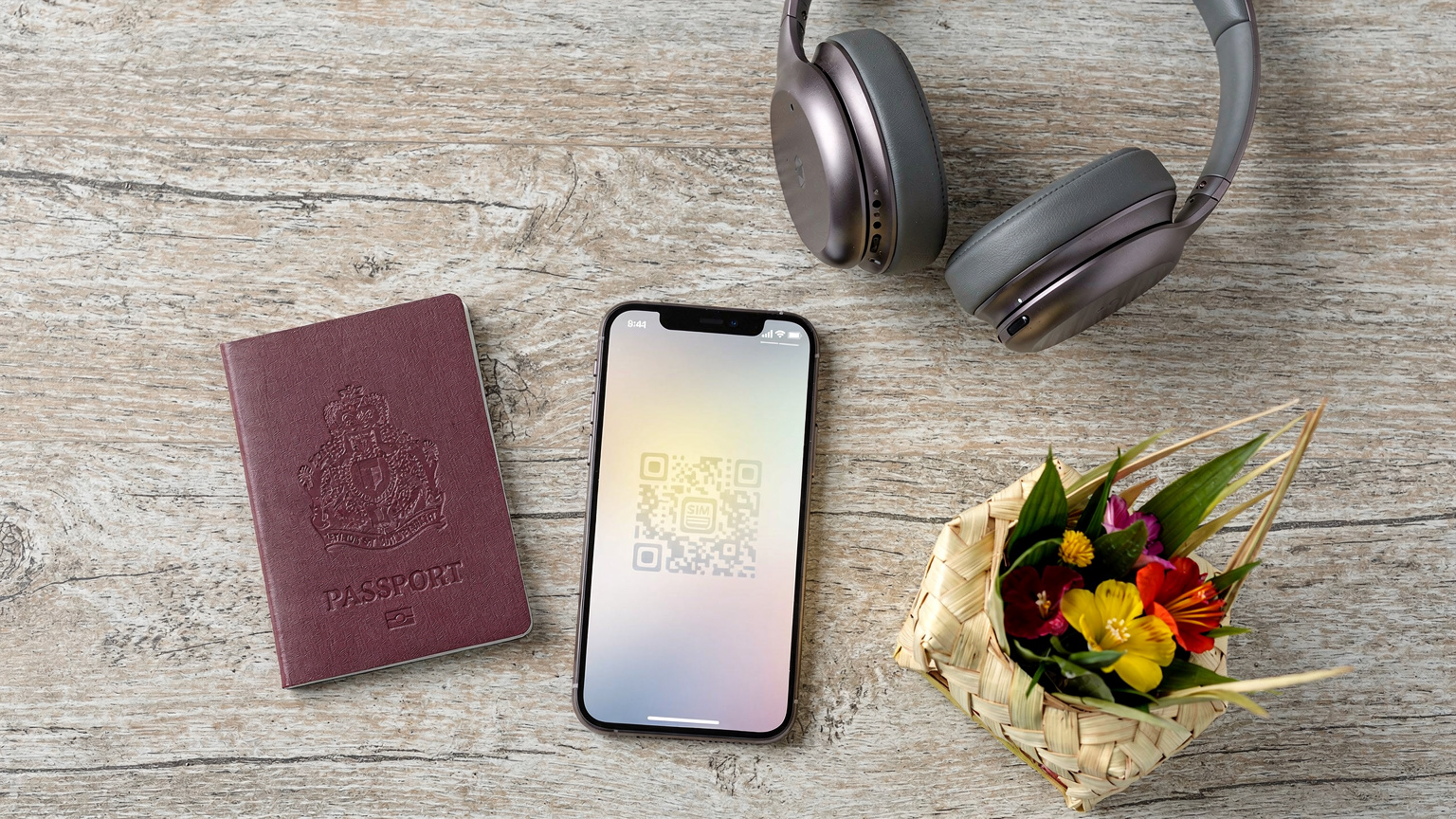
Always keep a screenshot of your eSIM QR code or the manual installation details in your photos or email. If you accidentally delete the profile, or need to reinstall it on a new device, this will save you a lot of hassle.
Making the Most of Your Bali Spirit Festival Experience
The Bali Spirit Festival is an extraordinary event, a confluence of global cultures, spiritual practices, and artistic expression set against the breathtaking backdrop of Ubud. With your connectivity squared away, you're free to fully immerse yourself in every moment, from morning yoga sessions to vibrant evening concerts.
Use your reliable eSIM connection to navigate between the various festival zones, which often include the Dharma Fair, Bhakti Bazaar, and different workshop stages. Apps like Google Maps can be invaluable, especially if you're exploring the rice paddies or smaller village paths around Ubud. You can also quickly look up information about instructors, artists, or specific workshops on the fly, ensuring you don't miss out on any hidden gems.
Beyond the Festival: Exploring Bali
Your eSIM isn't just for the festival. Bali offers a wealth of experiences, and having constant connectivity enriches your exploration. Whether you're planning a day trip to the Tegalalang Rice Terraces, visiting the Sacred Monkey Forest Sanctuary, or heading to the beaches of Seminyak or Canggu, your data connection will be invaluable for:
- Navigation: Getting around Bali, whether by scooter or taxi, is much easier with GPS.
- Translation: Google Translate or similar apps can help bridge language barriers.
- Local Recommendations: Quickly search for the best local eateries, yoga studios, or artisan shops.
- Emergency Contacts: Essential for accessing local emergency services or contacting loved ones.
Moreover, if you're a digital nomad or simply someone who enjoys working on the go, a stable connection from your eSIM can transform any Ubud cafe into a temporary office. Many cafes, like those along Jalan Hanoman or Jalan Monkey Forest, offer comfortable workspaces, though their Wi-Fi can sometimes be inconsistent. Having your own reliable data connection (especially on bands B3 or B40 which are well-distributed) provides peace of mind.
Reflecting and Sharing
One of the joys of attending such a unique event is sharing your journey with others. Your eSIM allows you to instantly upload photos and videos, share live updates, and connect with fellow festival-goers on social media. Imagine capturing the energy of a Kirtan session or the tranquility of a meditation workshop and sharing it with friends and family in real-time. This connectivity lets you extend the festival's reach, inspiring others and creating lasting digital memories.
Ultimately, an eSIM simplifies your travel tech, allowing you to focus on the truly important aspects of your Bali Spirit Festival experience: self-discovery, connection, and joy. It's about empowering you to be present, while still maintaining the practical links to the outside world you might occasionally need. By choosing a robust eSIM plan, you ensure that your focus remains on the spiritual and cultural richness of Bali, rather than on cellular signal strength or unexpected roaming charges.
Frequently Asked Questions
Will my phone support an eSIM for the Bali Spirit Festival 2026?
Most modern smartphones, including iPhones XR and newer, Google Pixels 3a and newer, and many Samsung Galaxy S20 and newer models, support eSIM. Always check your specific device model's compatibility before purchasing, as some regional variants may differ.
Which local Indonesian carriers will my eSIM connect to?
Most eSIM providers partner with major Indonesian carriers like Telkomsel, XL Axiata, or Indosat Ooredoo Hutchison. Telkomsel generally offers the widest coverage, especially outside major urban hubs. Check your eSIM provider's details for their specific network partners in Indonesia.
Can I make regular phone calls with an eSIM in Bali?
Many data-only eSIMs do not support traditional voice calls (VoLTE or VoWiFi). You would typically use data-based calling apps like WhatsApp, Signal, or Messenger. If traditional voice calls are essential, ensure your eSIM plan explicitly states VoLTE support, or keep your home physical SIM active for calls (with roaming charges in mind).
What data speed can I expect at the festival grounds in Ubud?
In Ubud, you can generally expect 4G download speeds of 20-80 Mbps and upload speeds of 5-20 Mbps on main bands like B3 and B1. However, during peak festival hours with high attendee density, network congestion may lead to temporary dips in speed. 5G (n3, n40) is emerging but less widespread.
How much data do I need for the Bali Spirit Festival?
For a typical festival attendee relying on messaging, social media, light browsing, and navigation, a 10-20 GB plan for a week-long stay should be sufficient. If you plan extensive video streaming, large uploads, or remote work, consider a higher data allowance or an unlimited plan.
What if my eSIM doesn't connect after activation?
First, ensure data roaming is enabled for your eSIM in your phone's settings. Try toggling airplane mode or restarting your device. If issues persist, attempt manual network selection to connect to a specific carrier. Finally, confirm your APN settings are correct, as provided by your eSIM vendor.
