

Bali's Hidden Gems: Your 2026 eSIM Guide to Nusa Islands & Beyond
Bali. Just the name conjures images of rice paddies, ancient temples, and sun-kissed beaches. But what if you’re looking to peel back another layer of the Island of the Gods? What if you crave the serene beauty that lies just beyond the bustling tourist hubs? Welcome, fellow traveler, to the Nusa Islands – a trio of paradises waiting to be explored, and your 2026 travel companion, the eSIM, is here to ensure you stay connected every step of the way. Forget the hassle of physical SIM cards; the future of travel connectivity is sleek, simple, and ready for your next adventure.
Why the Nusa Islands in 2026?
While Bali continues to enchant millions, the Nusa Islands (Nusa Lembongan, Nusa Ceningan, and Nusa Penida) offer a refreshing counterpoint. They're close enough for a day trip, yet far enough to feel like a world away. In 2026, you'll find these islands striking a beautiful balance: still retaining their authentic charm and breathtaking natural beauty, but with improved infrastructure and a growing number of comfortable accommodations and dining options. They're perfect for those seeking adventure, relaxation, and stunning photo opportunities without the intense crowds of southern Bali.
Your 2026 Connectivity: The eSIM Advantage
Before we dive into the turquoise waters and dramatic cliffs, let's talk essentials: staying connected. By 2026, eSIM technology will be even more prevalent and seamless, a game-changer for international travel. Imagine landing, activating your local data plan with a few taps on your phone, and instantly having internet access without ever swapping a tiny chip. That’s the magic of an eSIM.
What is an eSIM and Why You Need One for the Nusa Islands?
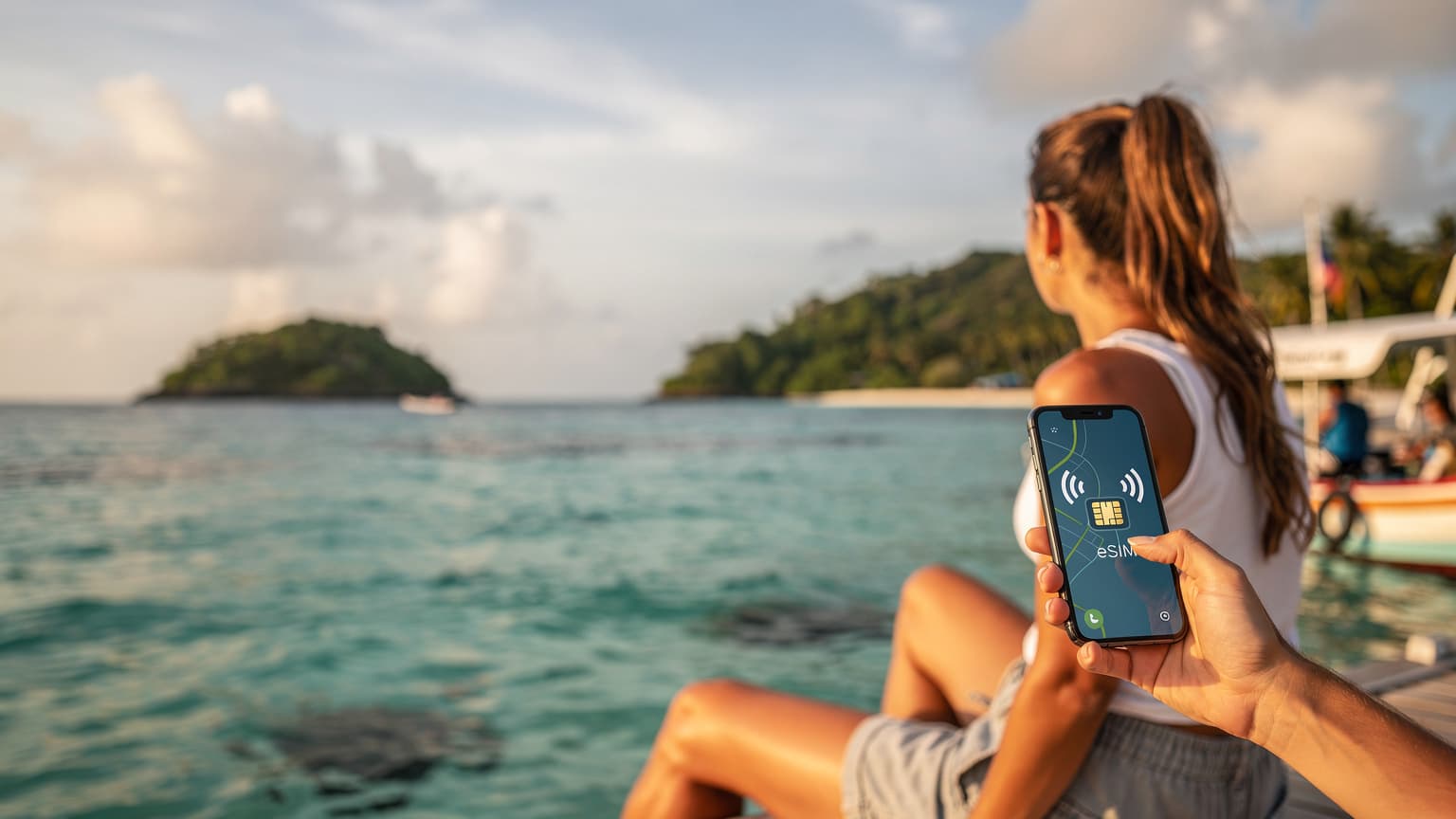
An eSIM, or embedded SIM, is a digital SIM card that allows you to activate a cellular plan from a carrier without needing a physical SIM card. Your phone has a small, reprogrammable chip that acts as your digital SIM. For travelers to the Nusa Islands, an eSIM from a provider like SouthESIM offers unparalleled convenience:
- Instant Activation: Purchase your plan online before you even leave home and activate it upon arrival. No searching for local stores or dealing with language barriers.
- Cost-Effective: Often, eSIM plans offer competitive rates for data, calls, and texts compared to international roaming charges.
- Dual SIM Functionality: Keep your home SIM active for calls and texts while using your SouthESIM eSIM for local data. Never miss an important message again.
- Flexibility: Easily switch between different data plans or providers if your travel plans change.
- No Physical Card Hassle: No more fumbling with tiny trays, worrying about losing your home SIM, or damaging the card.
Having reliable internet access on the Nusa Islands is crucial. While many accommodations offer Wi-Fi, it can be spotty, especially in more remote areas of Nusa Penida. With your SouthESIM eSIM, you can effortlessly navigate using Google Maps, research local restaurants, share your stunning photos in real-time, or even make urgent bookings for your next adventure. It's truly your digital lifeline in paradise.
Nusa Lembongan: The Welcoming Gem
Nusa Lembongan is often the first stop for visitors, offering a perfect blend of laid-back charm and accessible amenities. It's the most developed of the three islands but still maintains a relaxed vibe.
Things to Do on Nusa Lembongan:
- Mushroom Bay & Dream Beach: Soak up the sun, swim in the clear waters, and enjoy beachfront dining. These are iconic spots for a reason.
- Devil's Tears: Witness the raw power of nature as waves crash against the cliffs, creating spectacular sprays and rainbows. Be cautious and admire from a safe distance.
- Mangrove Forest Tour: Glide through the tranquil mangrove channels on a traditional boat or kayak. It’s a peaceful escape and a fantastic way to see the island's unique ecosystem.
- Snorkeling & Diving: The waters around Lembongan are teeming with marine life. Join a tour to explore vibrant coral reefs and swim alongside majestic Manta Rays (seasonal).
- Stand-up Paddleboarding & Surfing: With gentler waves than some of Bali’s spots, Lembongan is great for beginners and experienced surfers alike.
Getting Around Nusa Lembongan:
Scooters are the most popular way to get around, easily rentable from your accommodation or various shops. The roads are generally in good condition, though some can be a bit bumpy. Alternatively, you can hire a golf buggy or a local driver for longer distances.
Nusa Ceningan: The Charming Link
Connected to Nusa Lembongan by the iconic Yellow Bridge, Nusa Ceningan is the smallest of the three islands and offers a more tranquil, rustic experience. It’s perfect for a leisurely afternoon exploration.
Things to Do on Nusa Ceningan:
- Blue Lagoon: A breathtaking cove with incredibly vibrant turquoise water. It's a fantastic photo spot, though swimming here is not recommended due to strong currents.
- Secret Beach: A secluded, peaceful stretch of sand perfect for unwinding away from any crowds. Find your own slice of paradise here.
- Cliff Jumping: For the adrenaline junkies, several spots offer cliff jumping platforms. Always check conditions and safety before attempting.
- Mahana Point: A popular surf break and a fantastic spot to watch the sunset with a cold drink in hand.
Getting Around Nusa Ceningan:
Like Lembongan, scooters are king. The island is small enough to explore thoroughly in a few hours. The roads here can be steeper and narrower in parts, adding to the adventurous feel.
Nusa Penida: The Majestic Frontier
Nusa Penida is the largest and most rugged of the three islands, famous for its dramatic landscapes, towering cliffs, and pristine beaches. It requires a bit more effort to explore, but the rewards are immense.
Things to Do on Nusa Penida:
- Kelingking Beach: Often dubbed 'T-Rex Bay' due to its unique rock formation, this is arguably the most iconic spot in Nusa Penida. The hike down to the beach is challenging but worth it for the breathtaking views and pristine sand. Your SouthESIM eSIM will be invaluable for navigating here and sharing your awe-inspiring photos instantly.
- Broken Beach (Pasih Uug): A natural bridge formation over a circular cove with a stunning natural archway. It’s a truly unique geological wonder.
- Angel's Billabong: A natural infinity pool where crystal-clear water meets the open ocean. It's safe to swim in during low tide, offering a serene experience.
- Diamond Beach & Atuh Beach: Two incredibly beautiful beaches on the eastern side, accessible via challenging but rewarding staircases carved into the cliffs. Prepare for an epic descent and ascent!
- Crystal Bay: A calmer bay perfect for swimming, snorkeling, and diving. It's also a popular spot for sunset viewing.
- Manta Point: Take a boat trip to swim with majestic Manta Rays in their natural habitat. This is an unforgettable experience.
Getting Around Nusa Penida:
Roads on Nusa Penida are notoriously rough in many areas, especially to the more remote attractions. Renting a scooter is possible for experienced riders, but many tourists opt to hire a local driver with a car. This allows you to relax and enjoy the scenery without worrying about navigation or challenging terrain. Your SouthESIM eSIM will be essential for staying in touch with your driver, especially if you're exploring different areas and need to coordinate pick-ups.
Beyond the Nusa Islands: Exploring East Bali
While the Nusa Islands are a highlight, consider extending your exploration to East Bali for a change of pace and a deeper dive into Balinese culture and stunning landscapes.
Highlights of East Bali:
- Tirta Gangga Water Palace: A beautiful former royal palace featuring intricate stone carvings, refreshing pools, and lush gardens. You can feed the enormous koi fish here.
- Pura Lempuyang Temple (Gates of Heaven): Famous for its iconic gate framing Mount Agung. Arrive early for the best light and fewer crowds. Remember to dress respectfully.
- Ubud: While not strictly East Bali, Ubud is the cultural heart and a fantastic base for exploring the region. Enjoy yoga, cooking classes, art markets, and delicious healthy food. Your SouthESIM eSIM will keep you connected while navigating the maze of streets and finding the best hidden cafes.
- Sidemen Valley: Often called the 'new Ubud,' Sidemen offers tranquil rice paddy views, traditional villages, and a much slower pace of life. It’s perfect for hiking and experiencing authentic Balinese village life.
- Amed & Candidasa: Coastal towns known for excellent snorkeling, diving, and a relaxed atmosphere. Great alternatives to the busier southern beaches.
Practical Tips for Your 2026 Nusa & East Bali Adventure
- Book Accommodation in Advance: Especially if traveling during peak season, popular spots fill up quickly.
- Stay Hydrated: The tropical climate means you'll be sweating. Drink plenty of water.
- Sun Protection: Sunscreen, hats, and sunglasses are non-negotiable.
- Cash is King (Still): While many places accept cards, smaller vendors, warungs, and some attractions on the Nusa Islands will prefer cash.
- Respect Local Culture: Dress modestly when visiting temples, be mindful of local customs, and always ask permission before taking photos of people.
- Be Adventurous with Food: Sample local Indonesian and Balinese dishes. Warungs offer delicious and affordable meals.
- Travel Insurance: Always a good idea, especially when engaging in adventure activities like scooter riding or diving.
- Download Offline Maps: Even with your SouthESIM eSIM, having offline maps downloaded as a backup is always smart, especially in areas with weaker signal.
- Pack Light: You’ll likely be transferring between boats and potentially bumpy roads, so a backpack is often more practical than a large suitcase.
Your 2026 journey to Bali’s hidden gems, the Nusa Islands and beyond to East Bali, promises an unforgettable adventure. With the beauty of these islands and the seamless connectivity provided by your SouthESIM eSIM, you're all set for an incredible and stress-free exploration of Indonesia's most enchanting destinations. Get ready to discover your own slice of paradise!